
HISTORY
We said it when we began here in 1977, and it came true. We established a non-government funded program that could grow and provide a self-help means for change at a time when sources of governmental aid were drying up and dying. Not only did that come true, but for thousands of workers not recognized under labor law in the Boston area it has been the sole source of hope and help for the future.
“
OUR STORY
of, by and for the people:
A LABOR ORGANIZATION OF A NEW TYPE
From the bold actions of the American colonists at the Boston Tea Party to the heroic 54th Regiment in the Civil War, Boston has played a pivotal role in the growth and change of the United States. ESWA’s founding in 1977 grew out of the discontent of poor service workers in Boston who saw that the successes of the American Revolution, the Civil War and the Civil Rights Movement had not fundamentally changed their conditions.
In the 1960s, urban uprisings erupted across the United States in response to intolerable social and economic conditions in low-income and minority communities. Thousands of residents in Boston — the “birthplace of the American Revolution” — took to the streets and began to organize independent associations attempting to address the needs of their community. In direct response, under the aegis of the “War on Poverty,” the federal government sent a flood of urban renewal funds to these community organizations that effectively eliminated community participation and whittled away or altered many of their programs. As a result, these organizations could no longer be responsive to the needs and demands of the constituencies they had formed to serve, promoting individual “solutions” and reforms that failed to address the root causes of poverty and bring about lasting change.
By the 1970s, Boston had lost hundreds of thousands of higher-paying, often union manufacturing jobs at companies like Polaroid, Gillette, Raytheon and Stride Rite that had left the area in search of cheap labor elsewhere, aided by federal policies like free trade agreements that undermined domestic production. What remained were service sector jobs that produce billions of dollars in value for Massachusetts’s largest industries — healthcare, insurance and higher education — yet pay such low wages that workers are forced to choose between basic necessities.
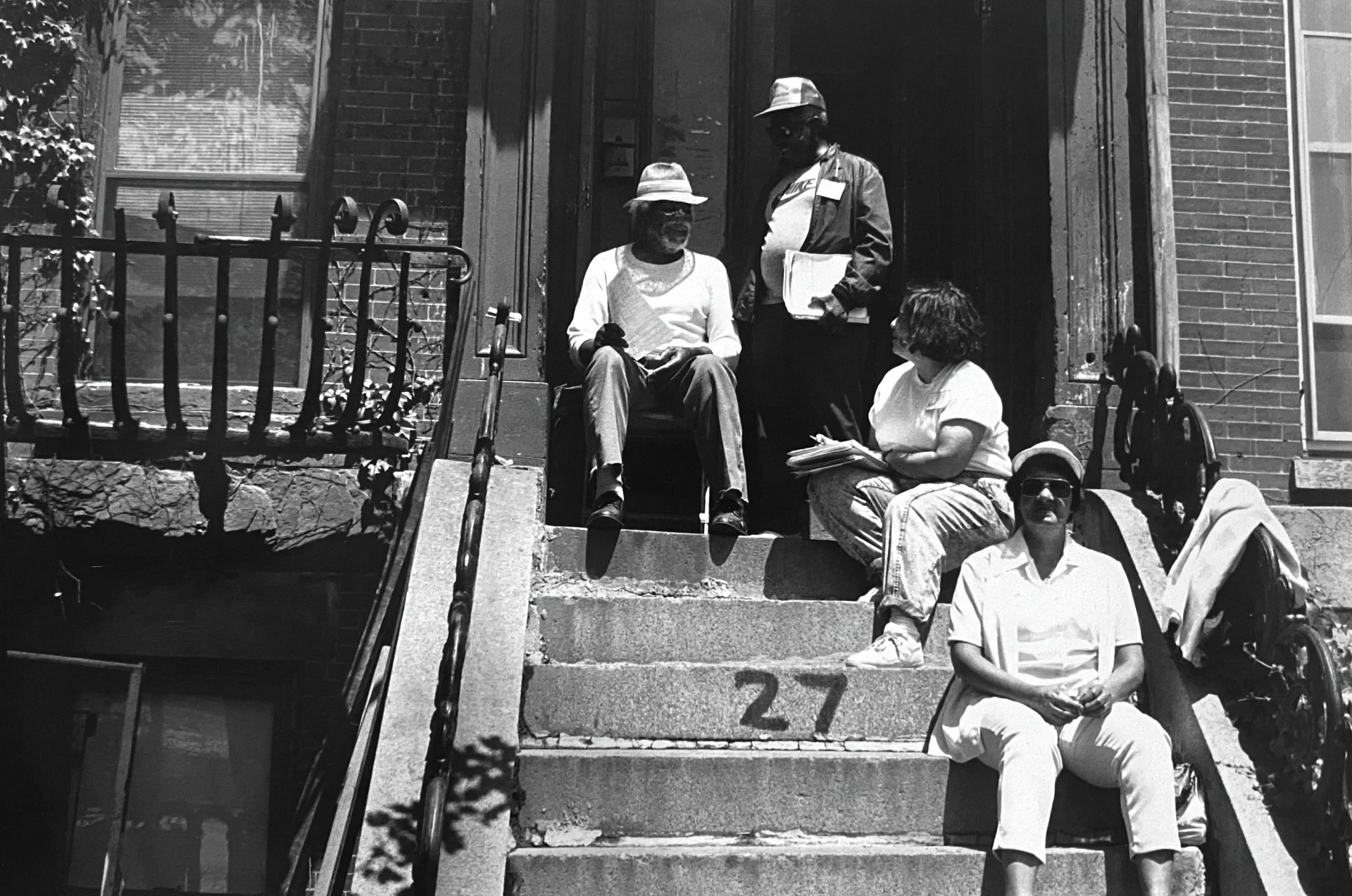
EASTERN SERVICE WORKERS ASSOCIATION (ESWA) formed based on the need for a new strategy to better the conditions of the working poor: a non-government funded approach that would allow those dealing with the problem of poverty to independently organize and determine their own solutions. Below are a few milestones from ESWA’s history in Boston. To get the whole story of an organizing drive that is open 365 days a year and based in Boston’s lowest-income neighborhoods, you have to come in to get it from the organizers, volunteers and members who have built it.
INTRODUCTION


1977
1977
Where ESWA Began
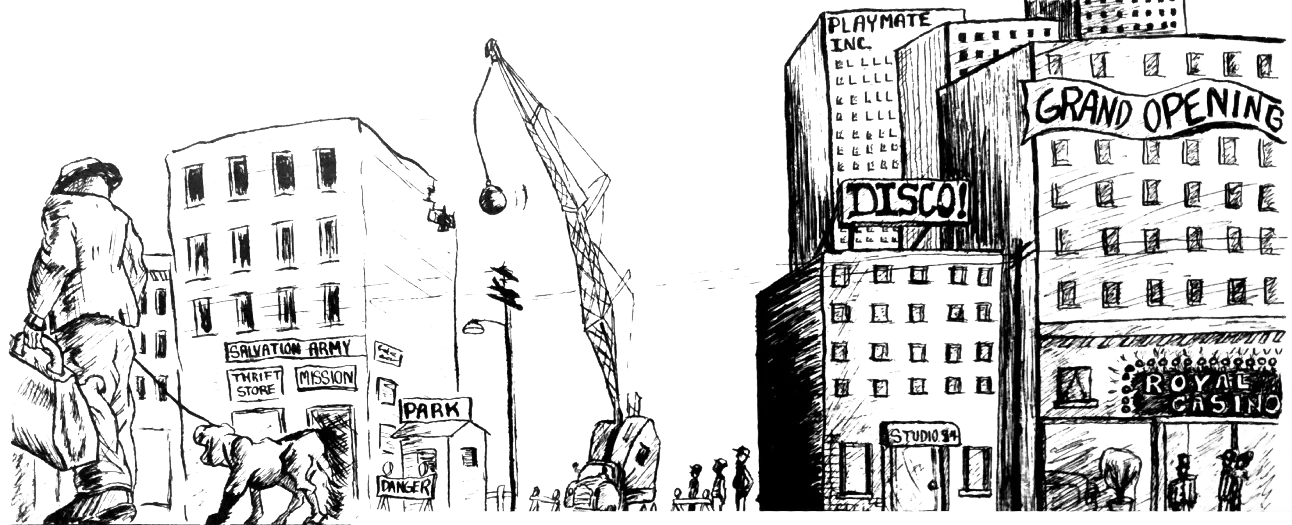
ESWA’s organizing drive began in 1977 in the midst of the Boston busing crisis that pit poor white residents in South Boston against poor Blacks in Roxbury after a federal district court mandated compulsory busing to desegregate Boston public schools. The government’s response did nothing to resolve the fact that the schools in both communities were under-resourced. ESWA put forward a different position altogether by initiating its organizing drive in the South End, the only integrated neighborhood in Boston at the time, to demonstrate to the people met door-to-door that ESWA was committed to organizing workers across color lines around the common problem of poverty. ESWA opened its first Office Central in a space donated by United South End Settlement Houses.

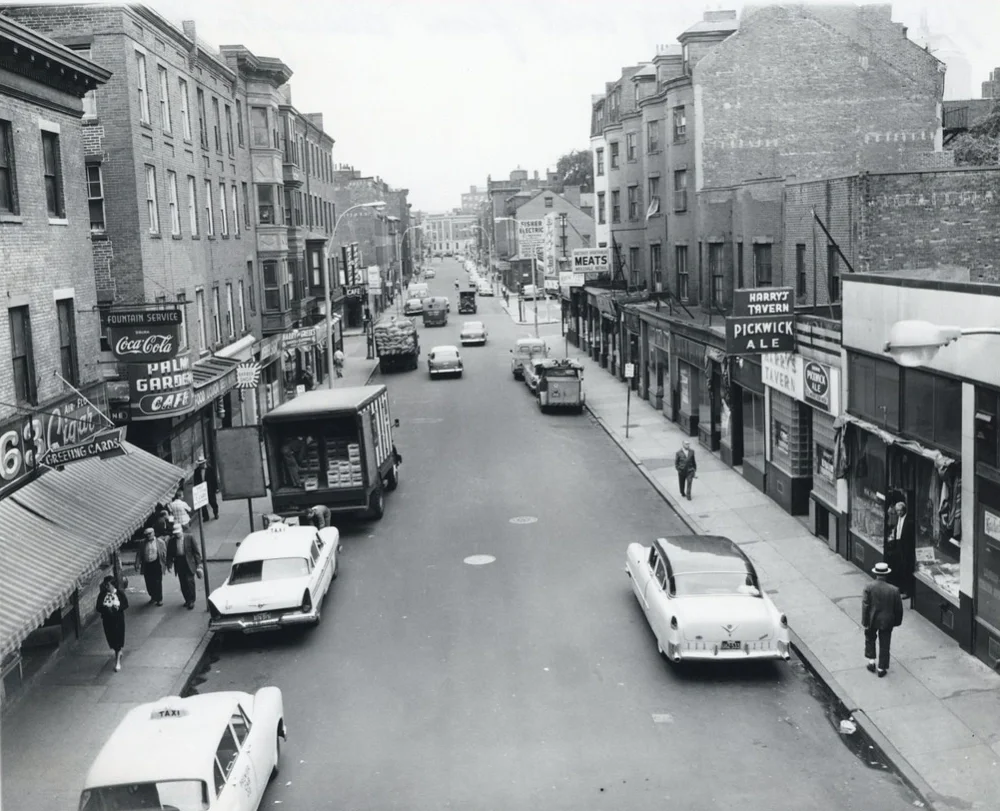
Photo of the South End neighborhood from the City of Boston Archives

1986
1986
Tuberculosis Outbreak
When state health officials found a 300% increase in active tuberculosis (TB) cases in Boston homeless shelters, their position was that this did not threaten the wider community. However, over fifty percent of shelter residents exposed were employed and therefore exposed everyone else they come into contact with on their jobs. While exposing the state’s suppression of the facts, ESWA organizers and the Boston Workers Benefit Council (WBC) organized volunteer physicians to conduct TB screenings for hundreds of residents in donated office and church spaces throughout Roxbury and Dorchester and ensured treatment for those who tested positive. Of all those tested by ESWA volunteer doctors, 3% had active, contagious and previously undiagnosed cases of TB — several hundred times the “official” government rate for the general population.
1988
Committee of Home Care Workers and Recipients
1988
Through the WBC, ESWA members working as home care workers through state agencies formed a Home Care Information Service to begin to deal with the growing problems this group of workers faced. Workers reported earning less than minimum wage after paying for transportation and other work-related expenses, and then found their wages further reduced when the state cut the hours of care they would authorize for the elderly, blind and disabled recipients. Home care workers also frequently found themselves working for free, unwilling to abandon their recipients who had severe health needs, when the latter ran short on their state-approved hours. For recipients, the alternative to adequate hours of care was institutionalization, which would have cost the state far more money while also reducing the quality of life of the recipient.
Members of the Home Care Information Service began by collecting affidavits from workers who had grievances with the state agency responsible for the program, as well as researching avenues of recourse the workers and recipients had to address their grievances.
After collecting testimonies and doing extensive research into the laws and regulations concerning home health care, the WBC formed an ad hoc Committee of Home Care Workers and Recipients to unite these two groupings. The Committee sent delegates to speak to the Massachusetts Rate Setting Commission to demand a living wage for home care workers and adequate hours for recipients. Through the Committee, the WBC developed as a knowledgeable, on-the-ground force for policies not only on home health care, but on the failure of Massachusetts’s healthcare system to deliver care to low-income residents.
1994
1994
Campaign Against “Urban Removal”
In 1994, ESWA members and volunteers launched a campaign to stop an “empowerment zone” (also known as “enterprise zone”) from displacing low-income workers and local businesses in Boston’s poorest neighborhoods. These zones were part of a federal policy that threatened to degrade poor neighborhoods to third world status by creating pools of cheap surplus labor, giving corporate tax breaks and relaxing environmental regulations, all under the aegis of the then-popular term “urban renewal.”
ESWA members saw that “urban renewal” was going to be “urban removal” by inviting the largest companies into the area to raise prices and displace local businesses. “We need the projects fixed up, but it needs to benefit those of us who live, work and do business here,” said an ESWA member about the fight.
A group of ESWA members and volunteers constituted themselves into the Tenants, Homeowners and Businessmen’s Committee to Revitalize Boston (THB) after the harsh experiences of 1993, when Boston promised “urban renewal” in Mission Hill with a $50 million Department of Housing and Urban Development (HUD) grant. Rather than “renewal,” local residents and business owners were pushed out after the City of Boston used the funds to tear down two-thirds of the existing low-income housing and replaced it with expensive housing that local residents could not afford.
THB launched a community education campaign through leafleting, door-to-door canvassing and presentations on the history of these policies and their impacts. THB also led the opposition at public hearings, organizing testimony from low-income residents and community leaders. The successful community education campaign kept the zone out of Dorchester for eight years.
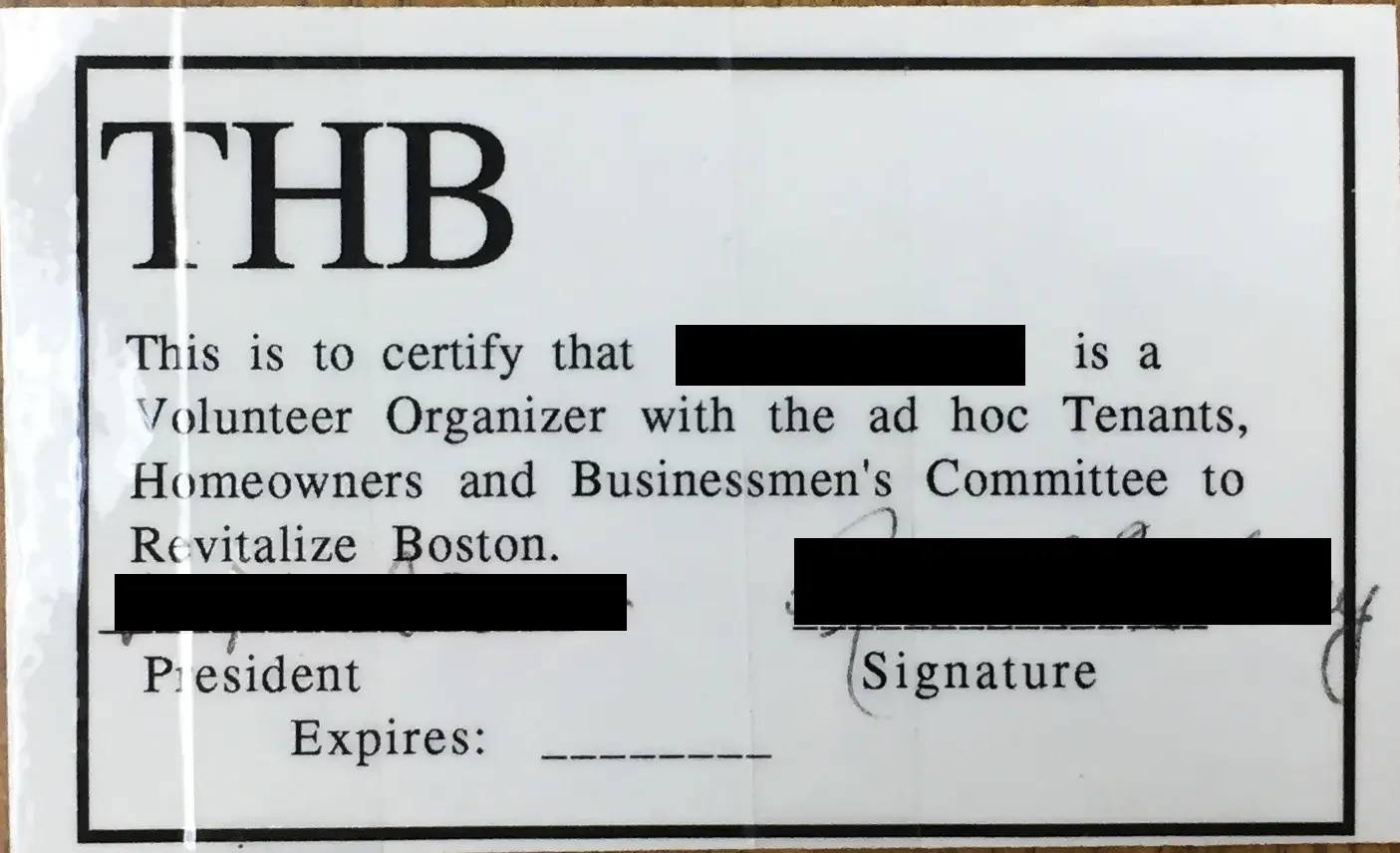
A membership card from the ad hoc Tenants, Homeowners and Businessmen’s Committee to Revitalize Boston.
This map shows the various “empowerment zones” planned throughout Boston, targeting many ESWA membership neighborhoods and low-income communities for redevelopment.
2001
ESWA Launches Campaign for Affordable Utilities in Response to Increased Shutoffs
2001
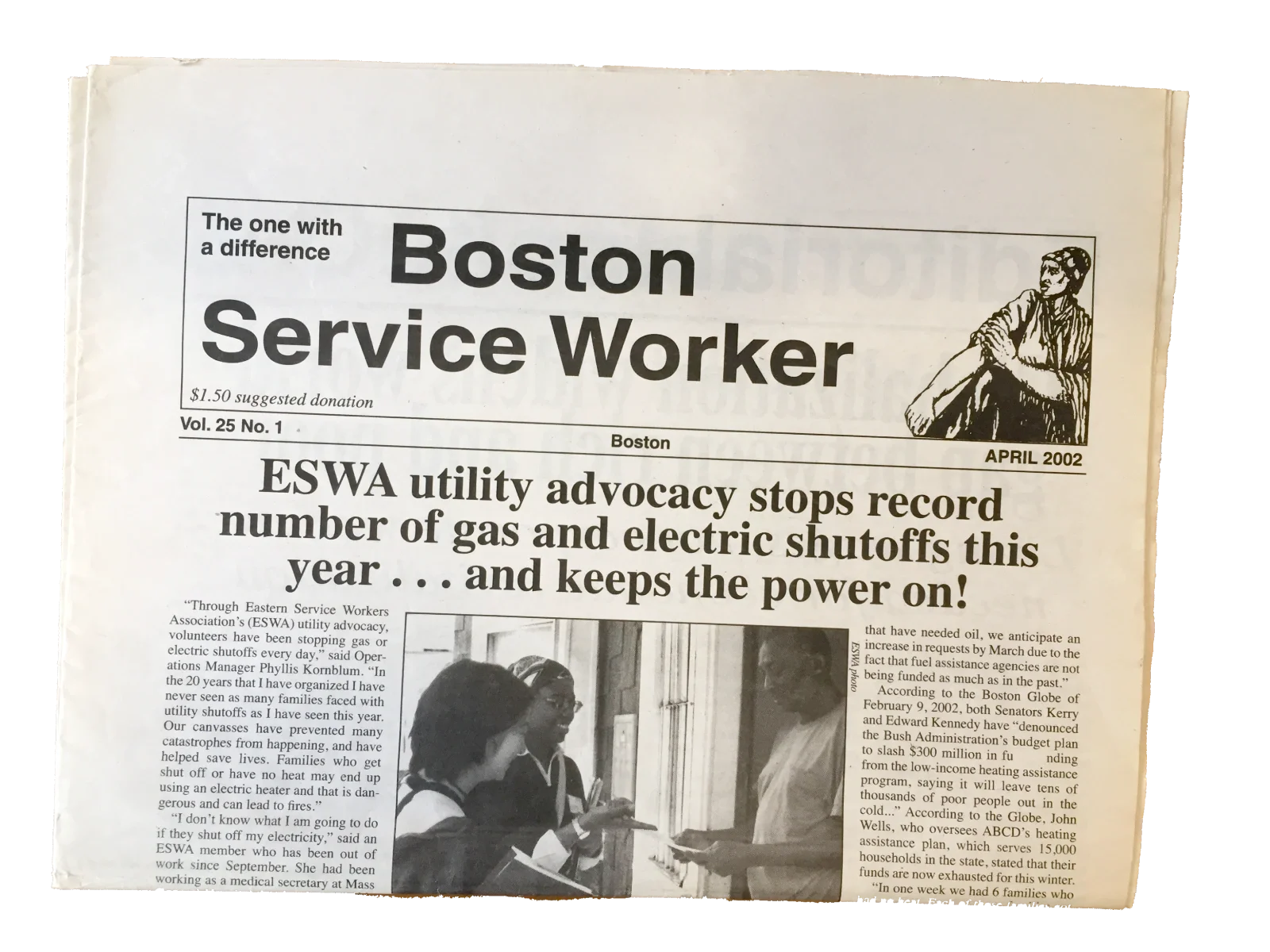
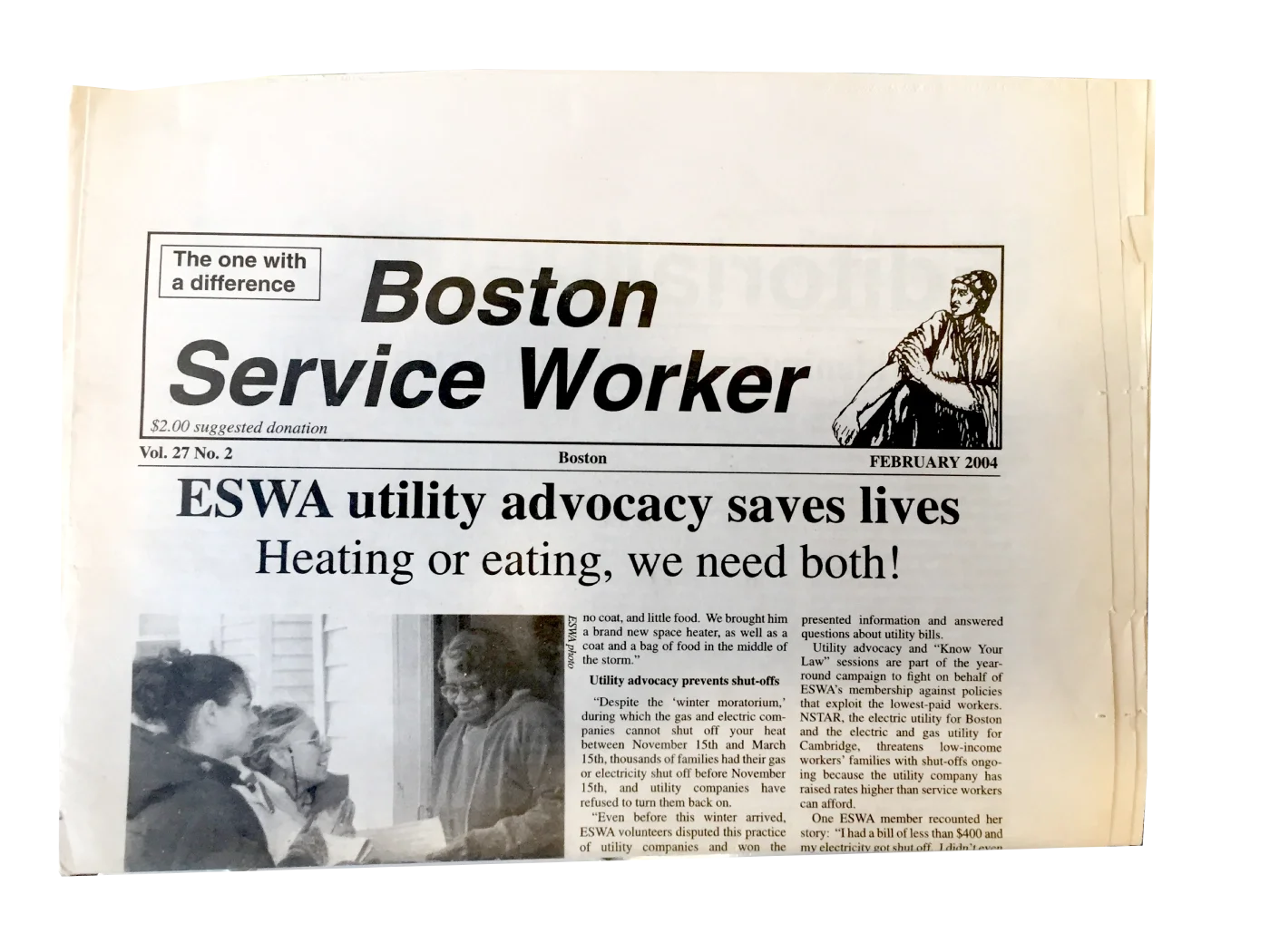
As part of a national trend led by Enron, in 1997 the State of Massachusetts passed an energy deregulation law celebrated by energy companies and large industrial energy purchasers, but which guaranteed unaffordable rates for small businesses and low-income residents.
In response to the rapidly rising energy prices and thousands of low-income residents having their utilities disconnected, ESWA members began a campaign for affordable utility rates. In 2001, the WBC mobilized for the first time to attend a Department of Telecommunications and Energy (DTE) hearing, denouncing a 67% gas rate increase proposed by Keyspan. The WBC declared a partial victory when the DTE knocked down the rate increase by almost half.
This marked the beginning of decades of ESWA’s fight for affordable utilities: mobilizing postcard mailings, testifying at public hearings, and training advocates to fight utility shutoffs, keeping the lights and heat on for thousands of members.
2005
WBC Wins Expanded Protections for Low-Income Ratepayers
2005
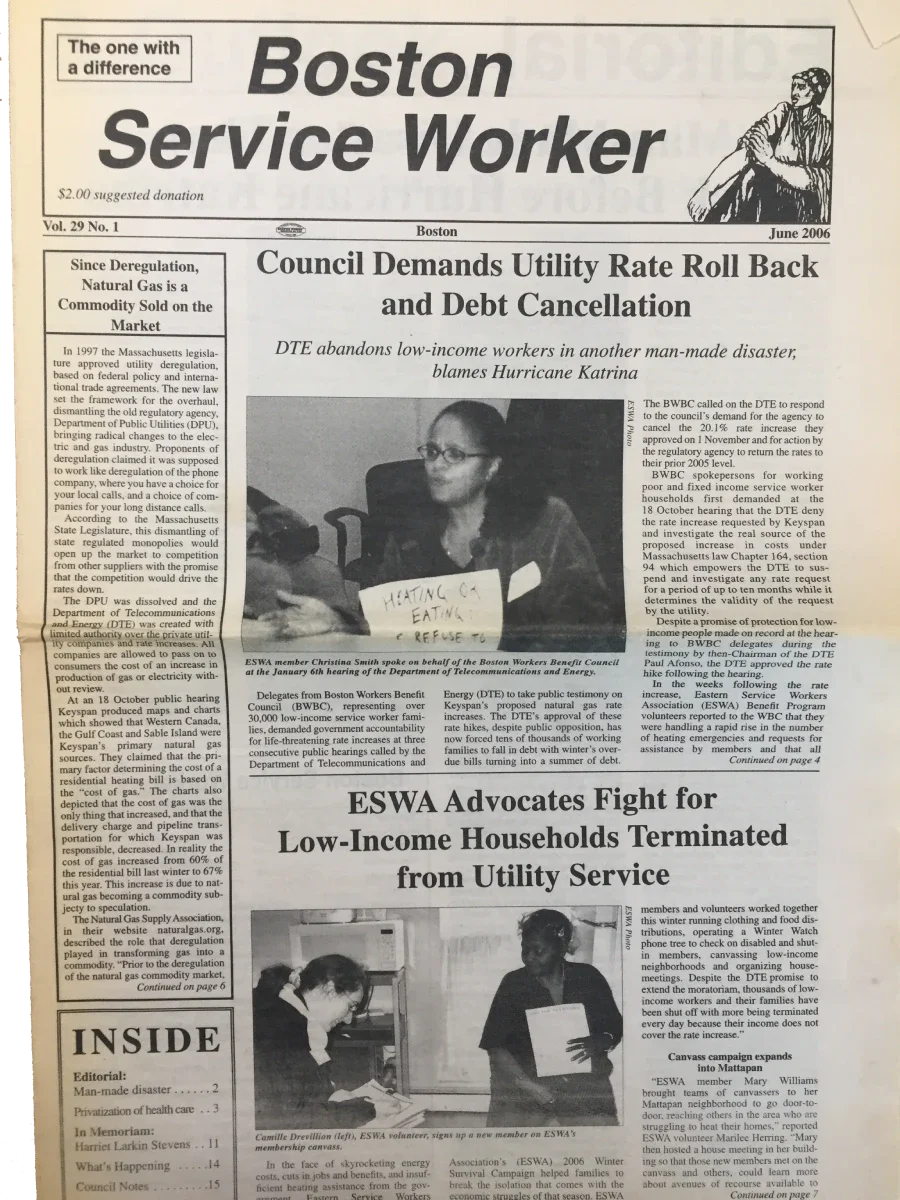
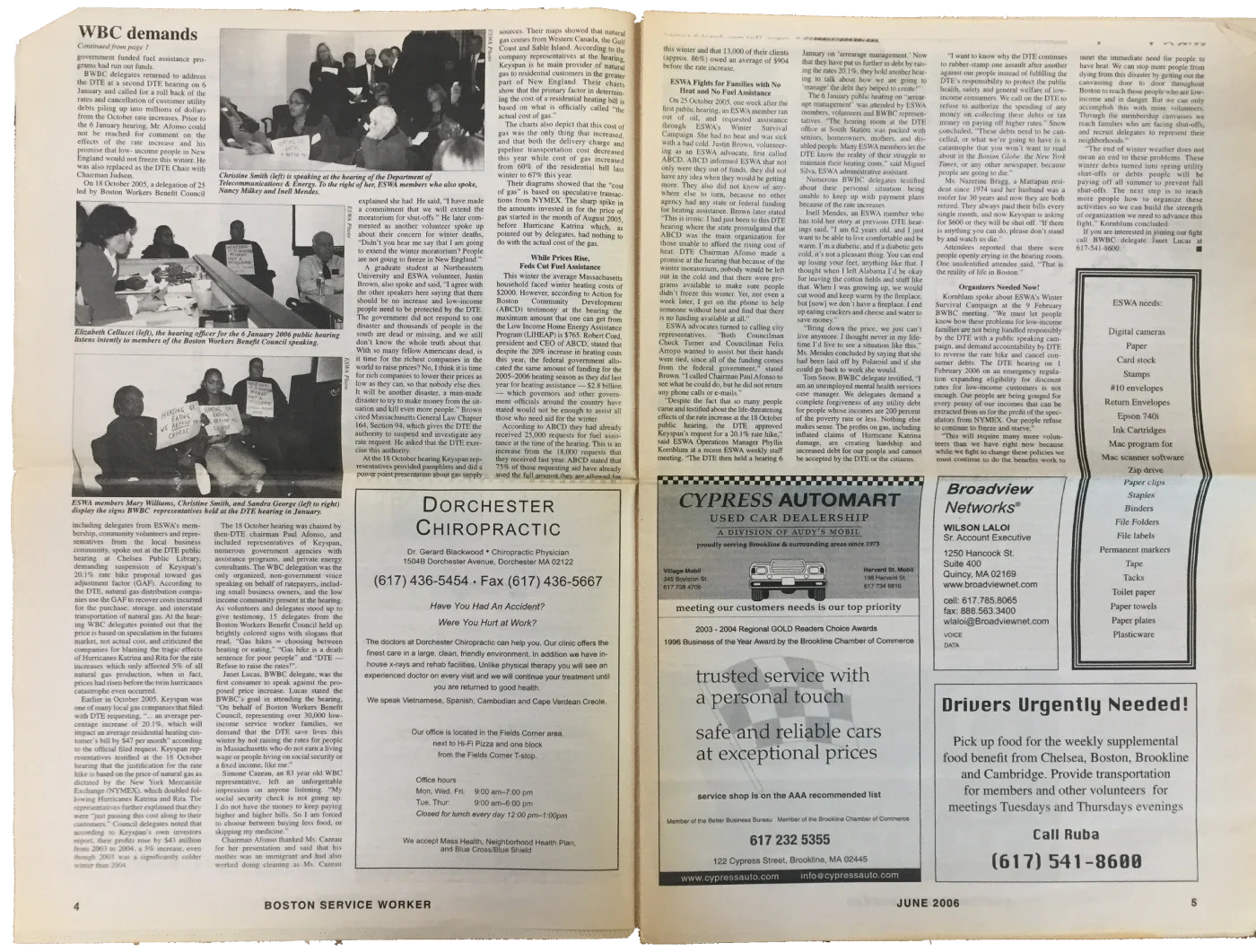
At another DTE hearing in 2005 where the WBC opposed a 20% gas rate hike, Chairman of the DTE, Paul Alfonso, said that the state had passed the deregulation law because the largest companies in the state, like Raytheon, had threatened to leave unless the state deregulated energy. At the hearing, Chairman Alfonso committed to extending the dates for the November-March moratorium on utility shutoffs and ensuring that nobody would freeze that winter. He was replaced with a new chairman within three months of the hearing.
In January of 2006, another delegation from the WBC attended a DTE hearing, continuing their demand for affordable utility rates and an end to shutoffs. In February of that same year, the DTE adopted emergency regulations to expand the eligibility for low-income discounts on electric and gas bills. Although this benefited some ESWA members, speakers from the WBC pointed out that many residents who needed the program were ineligible. A local minister spoke out at the hearing about his church being shut off in the middle of winter. ESWA had done the advocacy to help the church get their heat turned back on.
2009
Move to New Permanent Office
2009
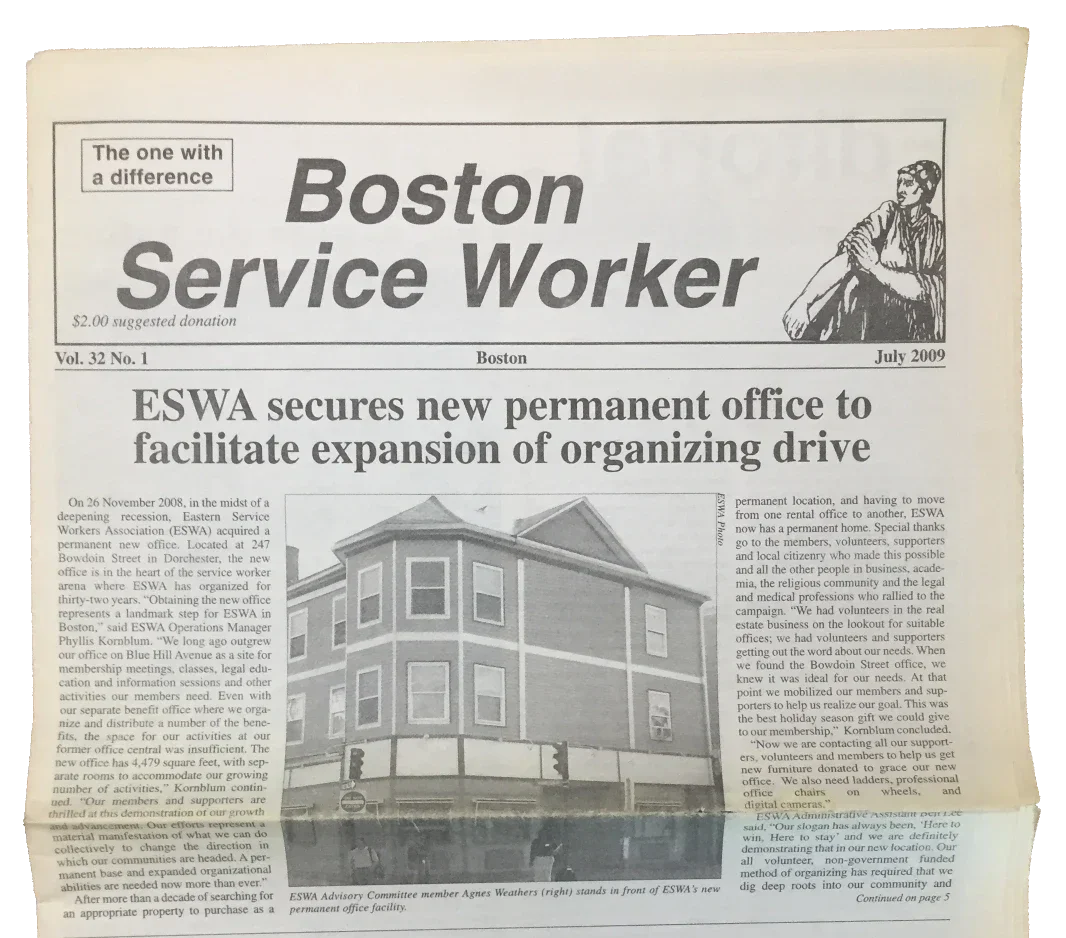
After relocating 11 times since 1977, from one rented office space to another, ESWA organized support to purchase and move into the property at 247 Bowdoin St. in Dorchester, establishing a permanent home for the association.
2010
2010
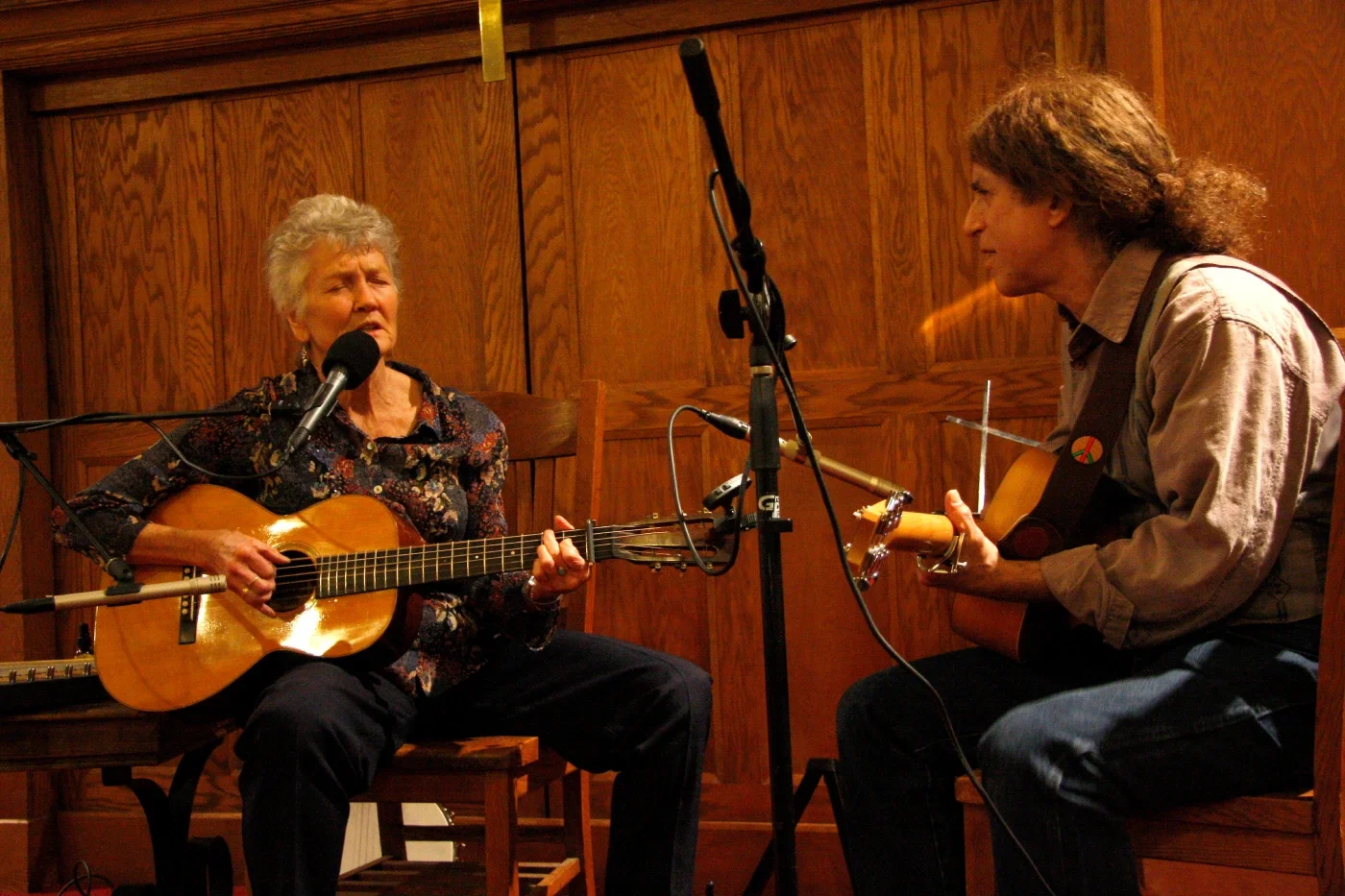
Peggy Seeger Concert
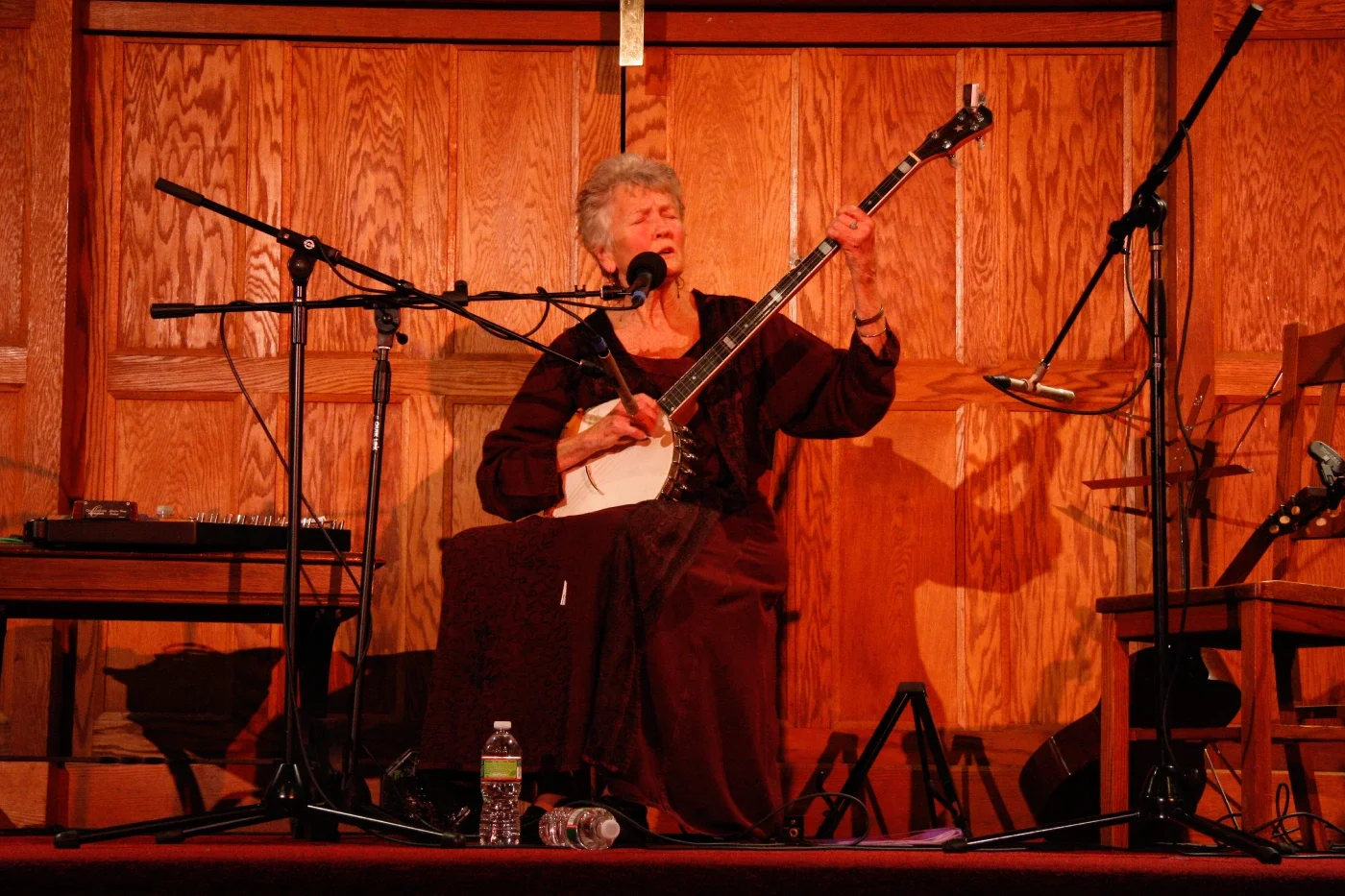
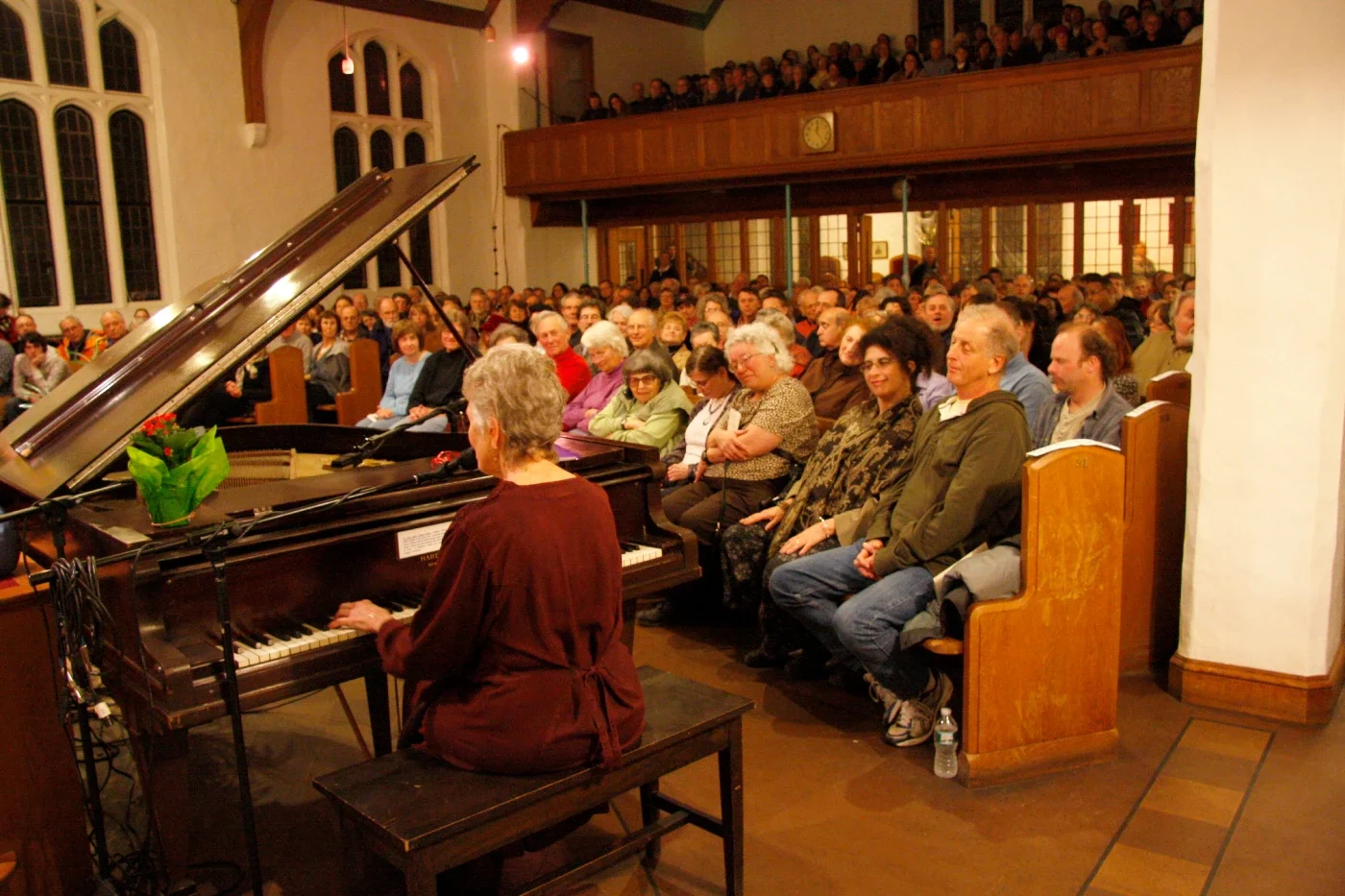
Peggy Seeger, internationally renowned voice of American and English folk music, performed a “Farewell Concert” as a benefit for ESWA on April 17 at the International Community Church, her last concert in the US before she moved to the UK.
2011
2011
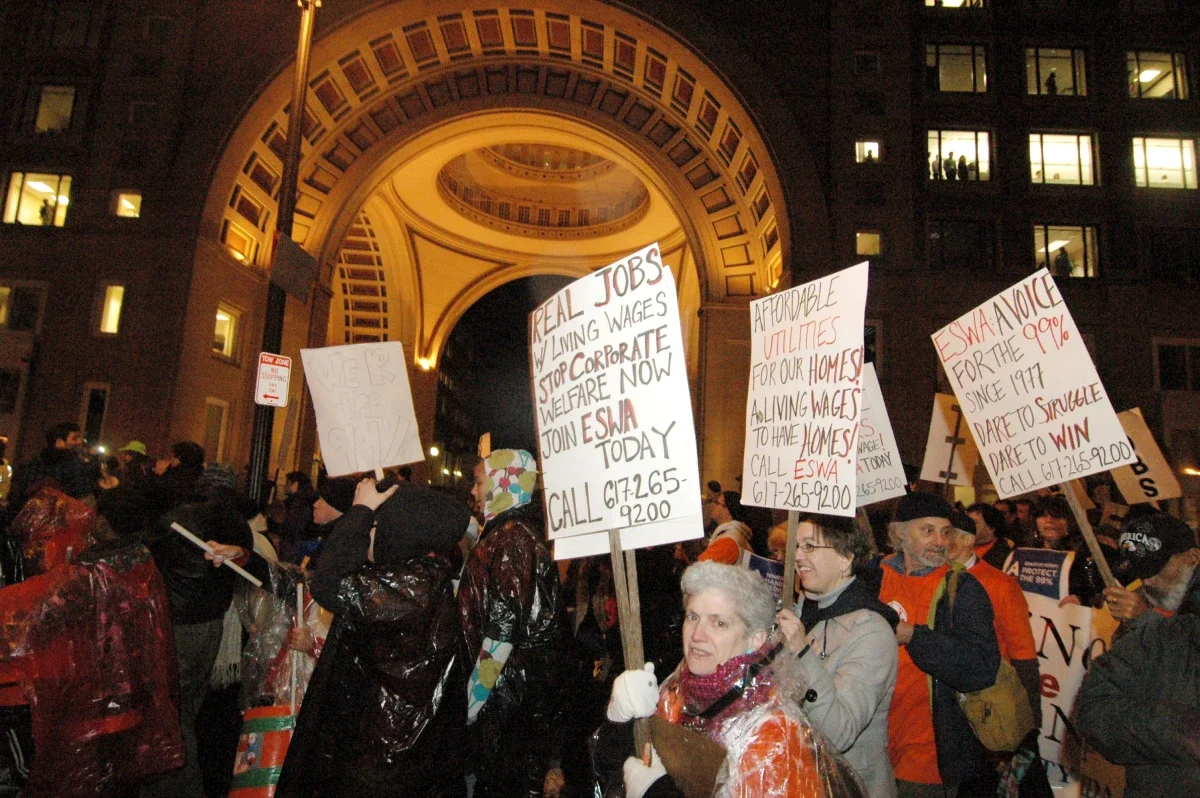
Extending Solidarity to Occupy Boston
The WBC, having for decades been a voice for the 99.9% who depend on each other as purchasers and sellers of goods and services, came to consensus on supporting Occupy Boston by making ESWA membership, benefits and publicity available to those at Occupy. Occupy Boston was part of the broader Occupy Wall Street mass movement protesting the 2009 financial crisis and the federal bank bailout that left millions of Americans jobless and homeless. ESWA volunteers and WBC delegates participated in Occupy working group meetings and rallies and offered organizer training programs to those wanting to learn how to build long-lasting organization as a vehicle for change.
2016
2016
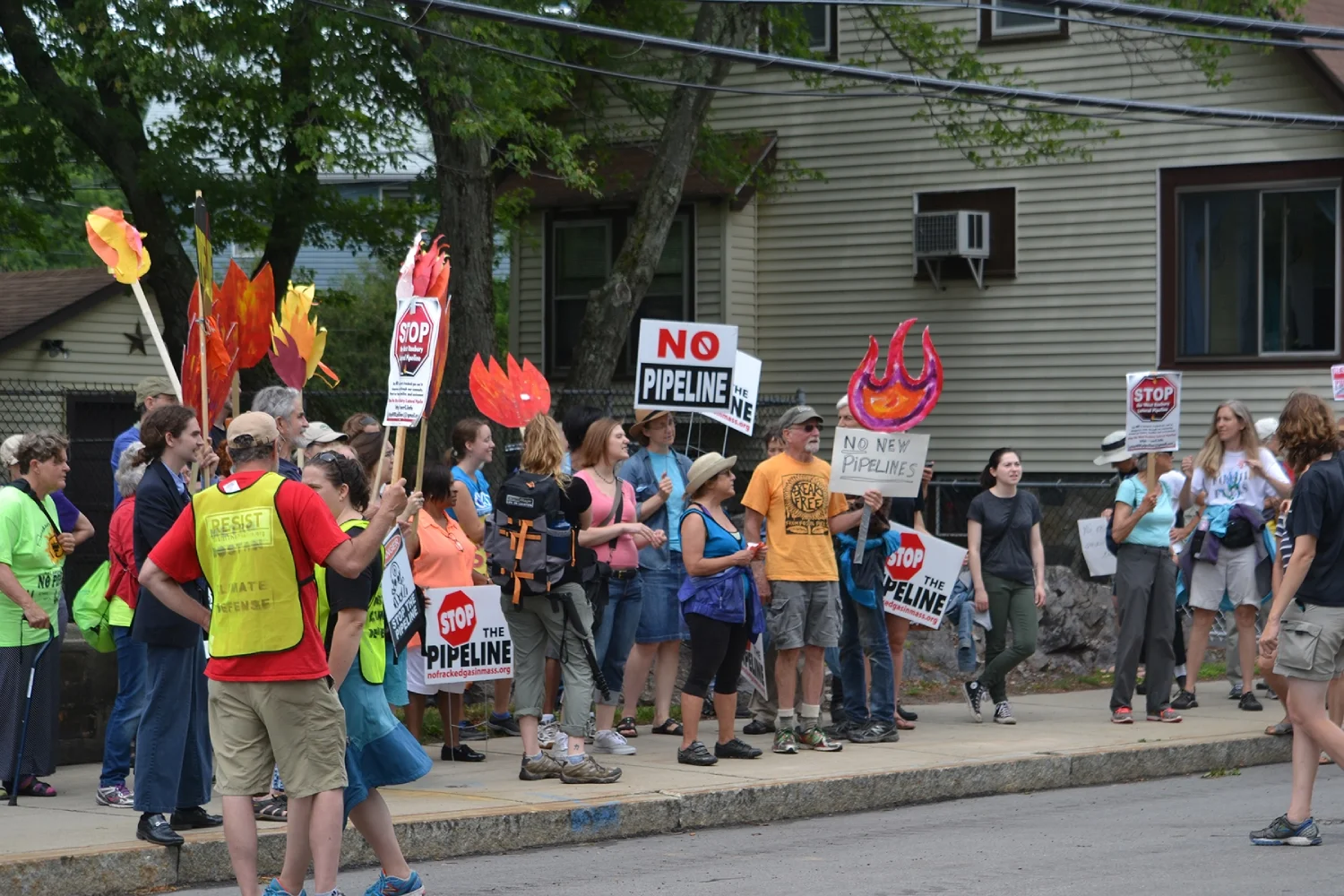
Fight Against Fracked Gas
Even though the utility companies and large industrial energy users were the very groups that in 1997 successfully lobbied for the deregulation of the energy industry, calling for “competitive sourcing of energy,” in 2015 they changed their minds and were now calling for ratepayers to cover fifty percent of the cost of a fracked gas pipeline to provide cheap energy to large industrial end users. This clearly violated the 1997 deregulation law and the State’s Global Warming Solutions Act, which put limits on greenhouse gas emissions.
The WBC decided to oppose the pipeline based on the well-documented excessive greenhouse gas emissions and environmental and human health impacts of hydraulic fracturing, also known as “fracking,” and the harm it would cause to low-income ratepayers. The WBC headed up a 20-person delegation to a Department of Public Utilities (DPU) public hearing opposing the agency’s decision to allow ratepayers to finance the construction of the fracked gas pipeline.
Following a large public campaign by the WBC, and a number of other organizations, to oppose the DPU’s decision, the Massachusetts Supreme Judicial Court ruled the pipeline could not be funded by ratepayers. The victory marked another step in the efforts of the WBC to demand accountability from the state to prevent profiteering by multinational utility corporations at the poor’s expense and instead put in policies that ensure energy is used for the benefit of working people, small businesses and local economies.
2020
Coronavirus Pandemic Response
2020
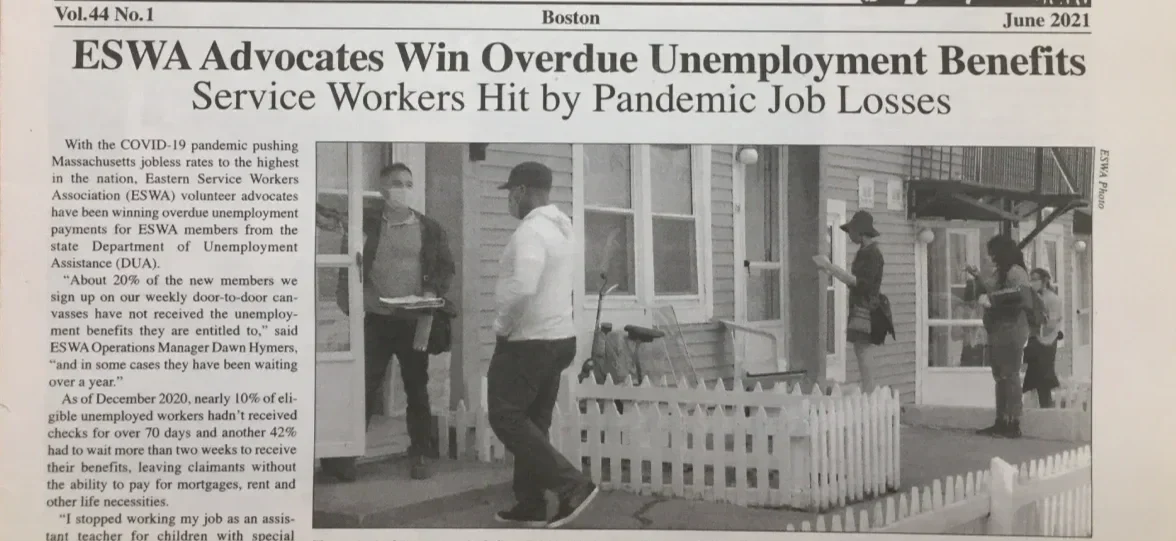
Throughout the COVID-19 pandemic, ESWA’s office remained open every day, without exception, so volunteers could organize relief efforts. These included daily phone trees to members, additional food collections and distributions to fill record numbers of request, and advocacy for those who lost their jobs.
Massachusetts had the highest official unemployment rate in the nation at 17.5% in April. The State’s Department of Unemployment Assistance (DUA) referred workers to ESWA because the DUA was unable to help. Volunteer advocates won tens of thousands of dollars in unemployment benefits for members whose cases had been wrongfully terminated as a result of the State’s failure to hire and train sufficient staff to meet the need.